In the ever-evolving world of architecture and interior design, technology is reshaping how spaces are conceived, designed, and experienced. Virtual kitchen design, a cutting-edge innovation, is at the forefront of this transformation, revolutionizing how architects and designers approach kitchen and bath projects. This blog delves into the significant role of virtual kitchen design in modern architectural design and explores why 2020 Kitchen Design is a preferred choice for many.
The Emergence of Virtual Kitchen Design
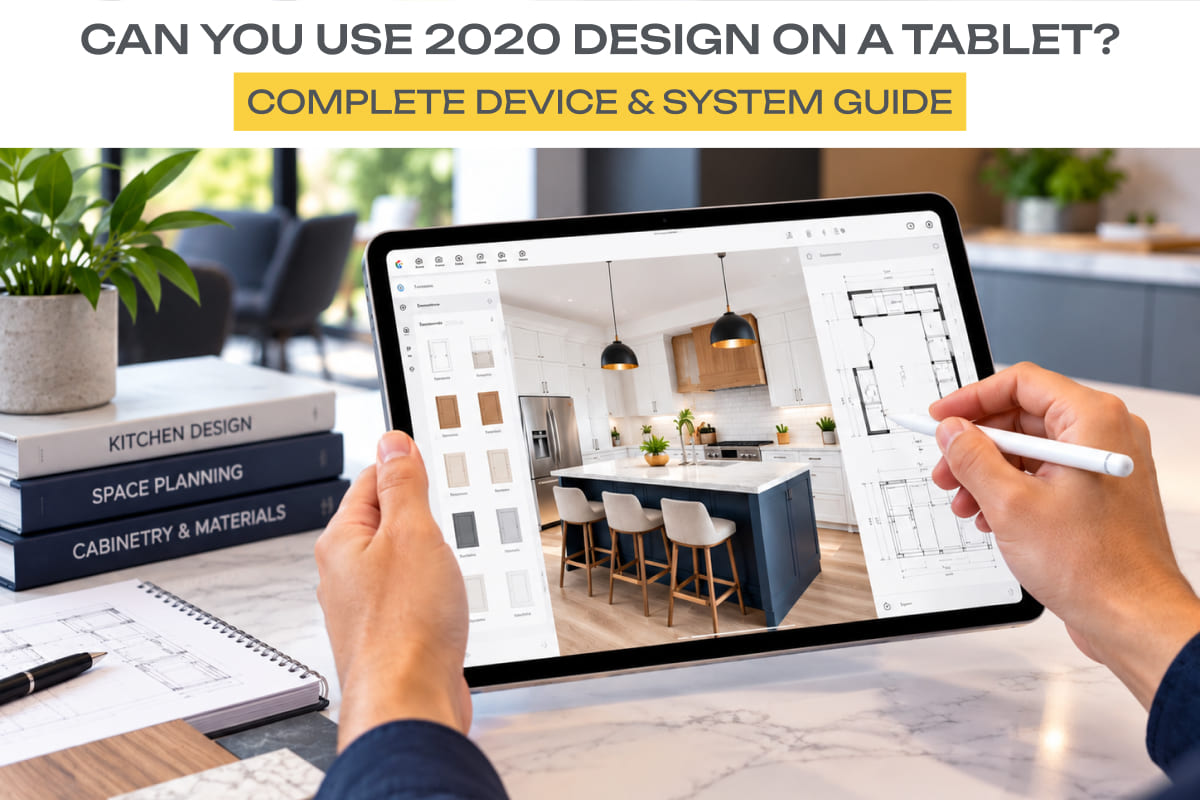
Virtual kitchen design leverages advanced 3D modeling and simulation technologies to create immersive, interactive visualizations of kitchen spaces. This technology has transformed traditional design processes, offering a host of benefits that enhance both the efficiency and quality of design projects.
Key Benefits of Virtual Kitchen Design:
- Enhanced Visualization: Virtual kitchen design allows designers and clients to view their kitchen spaces in a realistic, three-dimensional environment. This immersive experience provides a clearer understanding of how design elements will look and interact in real life, reducing the risk of costly mistakes and misunderstandings.
- Real-Time Modifications: One of the most significant advantages of virtual design is the ability to make real-time changes. Designers can quickly adjust layouts, materials, colors, and fixtures, providing clients with instant feedback and enabling them to experiment with different design options without committing to physical alterations.
- Accurate Measurements and Specifications: Virtual design tools offer precise measurements and detailed specifications, ensuring that every element of the kitchen fits perfectly within the space. This accuracy is crucial for optimizing functionality and avoiding issues during the construction or renovation phases.
- Cost Efficiency: By visualizing and testing design ideas virtually, clients can make informed decisions that prevent costly revisions and changes during the construction process. This proactive approach helps manage budgets more effectively and minimizes unexpected expenses.
- Streamlined Collaboration: Virtual kitchen design facilitates seamless collaboration between designers, architects, and clients. The ability to share and review 3D models online ensures that all stakeholders are on the same page, leading to more efficient decision-making and fewer misunderstandings.
The Role of Virtual Kitchen Design in Modern Architecture
Virtual kitchen design has become an integral part of modern architectural design, influencing various aspects of the design process and overall project success. Here’s how it plays a crucial role:
- Innovative Design Solutions: Virtual design technology empowers architects and designers to push the boundaries of creativity. By visualizing complex design elements and experimenting with unconventional layouts, they can develop innovative solutions that enhance both aesthetics and functionality.
- Improved Client Engagement: Engaging clients through virtual design allows them to actively participate in the design process. They can explore different options, provide feedback, and make adjustments, resulting in a final design that better aligns with their preferences and needs.
- Efficient Space Planning: Virtual kitchen design tools enable precise space planning, optimizing the use of available space and ensuring that every element is strategically placed. This efficiency is particularly important in modern architectural design, where maximizing space is often a priority.
- Integration with Other Design Technologies: Virtual kitchen design seamlessly integrates with other design technologies, such as augmented reality (AR) and virtual reality (VR). These integrations offer even more immersive experiences, allowing clients to walk through their future kitchen and visualize how it will feel in different scenarios.
- Sustainability and Energy Efficiency: Virtual design tools can simulate energy consumption and environmental impact, helping architects and designers make informed decisions about sustainable materials and energy-efficient solutions. This focus on sustainability aligns with modern architectural trends that prioritize eco-friendly practices.
Why We Like 2020 Kitchen Design
2020 Kitchen Design is renowned for its advanced features and user-friendly interface, making it a popular choice for kitchen and bath design professionals. Here’s why 2020 Kitchen Design stands out:
- Intuitive Software: 2020 Kitchen Design offers an intuitive and easy-to-navigate interface, allowing designers to quickly learn and utilize the software. This user-friendliness reduces the learning curve and enables designers to focus on creating exceptional designs.
- Comprehensive Design Tools: The software provides a wide range of design tools and features, including customizable templates, extensive product catalogs, and detailed 3D rendering capabilities. These tools streamline the design process and enhance the overall quality of kitchen and bath designs.
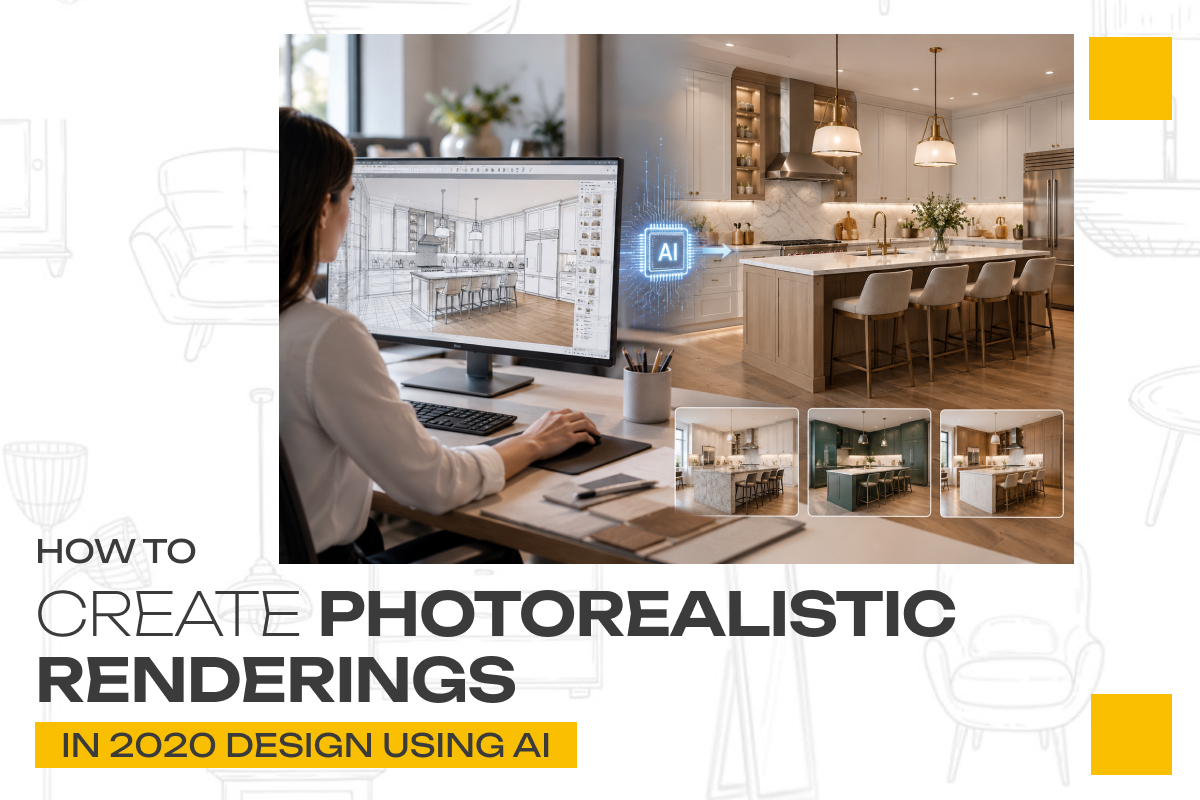
- Realistic Visualizations: 2020 Kitchen Design excels in delivering high-quality, realistic visualizations of kitchen spaces. The software’s advanced rendering capabilities ensure that clients see a true representation of their design, helping them make more informed decisions.
- Efficient Workflow: The software’s efficient workflow tools, such as automated dimensioning and real-time updates, reduce the time and effort required for design revisions. This efficiency translates to faster project completion and increased productivity.
- Integration with Industry Standards: 2020 Kitchen Design integrates seamlessly with industry standards and best practices, ensuring that designs adhere to professional design guidelines and meet client expectations. This integration enhances the software’s credibility and reliability in the design community.
- Dedicated Support: Hiring a dedicated 2020 designer or expert provides clients with specialized knowledge and expertise. These professionals are well-versed in the software’s capabilities and can offer valuable insights and support throughout the design process.
Conclusion
Virtual kitchen design is transforming modern architectural design by offering enhanced visualization, real-time modifications, and accurate measurements. Its role in improving design efficiency, client engagement, and innovative solutions makes it an indispensable tool for architects and designers. The advantages of 2020 Kitchen Design, including its intuitive interface, comprehensive tools, and realistic visualizations, further underscore its importance in streamlining kitchen and bath design processes.
As technology continues to advance, virtual design will undoubtedly play an even more significant role in shaping the future of architectural design, enabling designers to create functional, aesthetically pleasing, and sustainable spaces with greater ease and precision.
FAQ
Virtual kitchen design offers numerous benefits, including enhanced visualization, real-time modifications, and accurate measurements. It allows for immersive 3D modeling, which helps in better space planning and design accuracy. Additionally, it facilitates seamless collaboration between designers and clients, reduces the risk of costly revisions, and supports efficient project management.
Virtual kitchen design tools often integrate with other architectural software, such as CAD systems and BIM (Building Information Modeling) platforms. This integration allows for seamless data exchange and ensures that kitchen designs are compatible with overall architectural plans. It enhances workflow efficiency and helps maintain consistency across different design phases.
Yes, one of the major advantages of virtual kitchen design is the ability to make real-time changes during client meetings. Designers can quickly adjust layouts, materials, and finishes based on client feedback, providing an interactive and responsive design experience. This flexibility helps in aligning the design more closely with the client’s vision.
Virtual kitchen design tools provide highly accurate measurements and detailed specifications, which help in creating precise designs. The software often includes features for automated dimensioning and detailed product catalogs, ensuring that every element fits perfectly within the space. This accuracy minimizes the risk of errors and ensures a smooth construction process.
While there may be an initial investment in virtual kitchen design software, it can lead to significant cost savings in the long run. By reducing the need for physical mock-ups and minimizing design revisions, virtual design helps avoid costly mistakes and delays. The improved efficiency and accuracy also contribute to better budget management and overall project cost-effectiveness.