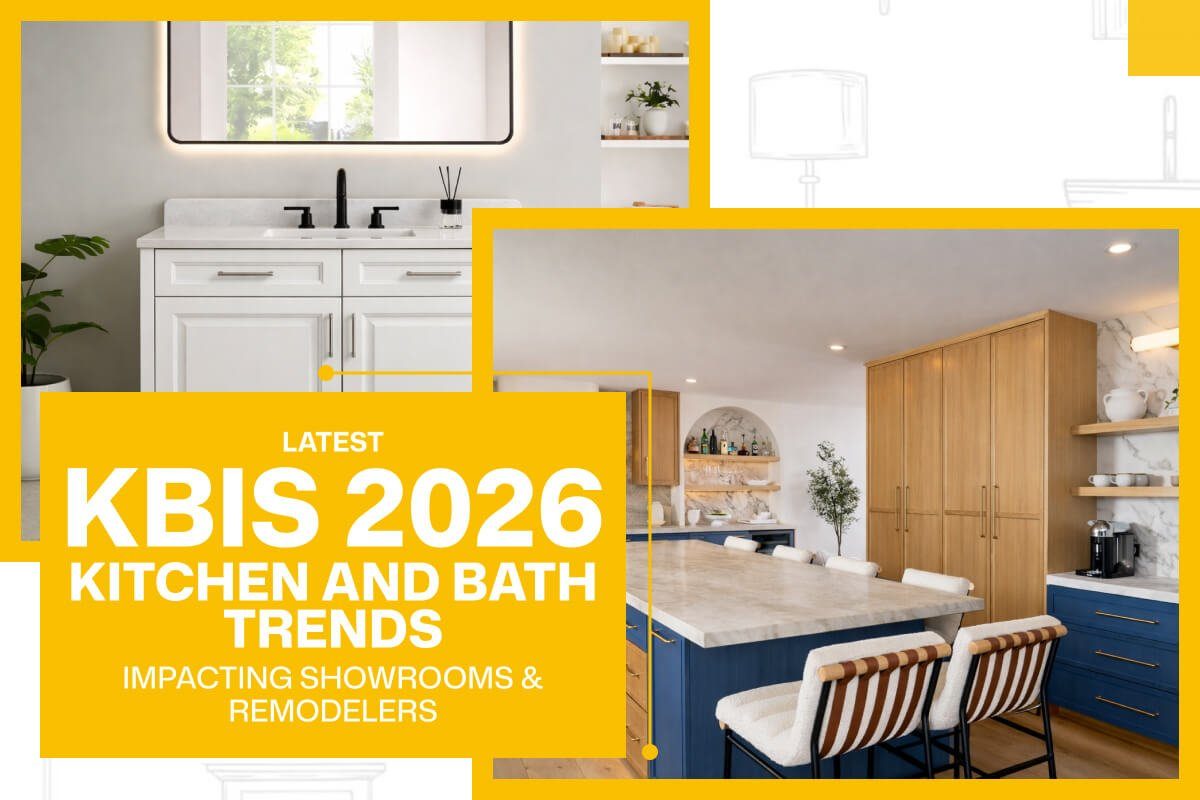
The kitchen and bath industry continues to evolve at a rapid pace, and KBIS 2026 once again proved why it remains the most influential trade event in North America. Hosted by the National Kitchen & Bath Association, KBIS brings together manufacturers, designers, showroom owners, contractors, and technology providers under one roof to showcase what’s next.
For professionals offering 2020 kitchen design services, attending—or at least tracking—the latest trends from KBIS is essential. The materials, finishes, technologies, and workflow solutions introduced at the show will shape customer expectations throughout 2026 and beyond.
Below is a breakdown of the most important trends and product launches that every kitchen and bath professional should be aware of.
1. Smarter Kitchens Powered by AI and Connected Technology
Technology integration was not just a side feature this year—it was central to product launches across major appliance and fixture brands. Smart kitchens are moving beyond voice assistants and into predictive functionality.
Manufacturers demonstrated:
- Appliances that learn cooking habits
- Refrigerators with internal inventory tracking
- Faucets with touchless and voice-enabled precision control
- Lighting systems integrated with cabinet sensors
For contractors and showrooms, this means clients will expect kitchens that are not only beautiful but intelligent. From a design perspective, incorporating smart appliance clearances, power planning, and concealed wiring channels has become part of the standard workflow.
A remote kitchen design team must now consider technology placement early in the layout phase to avoid costly revisions later.
2. Warm Minimalism Replaces Stark Modernism
For years, ultra-white and high-gloss kitchens dominated show floors. KBIS 2026 showed a noticeable shift toward warmth and texture.
Trending elements include:
- Natural wood tones with subtle grain
- Soft matte finishes
- Earth-inspired color palettes
- Fluted and reeded cabinet details
Clients want modern kitchens—but with comfort and depth. Designers using professional rendering platforms such as 2020 Design Live can now incorporate richer material libraries to reflect these evolving tastes.
This trend reinforces why many professionals choose to outsource kitchen design—staying current with finish libraries, textures, and manufacturer catalogs requires continuous updates and expertise.
3. Sustainable Materials and Eco-Conscious Manufacturing
Sustainability was not just a marketing slogan at KBIS 2026—it was integrated into product development. Cabinet manufacturers introduced low-emission materials, water-based finishes, and responsibly sourced wood.
Key highlights included:
- FSC-certified cabinetry lines
- Recycled composite countertops
- Water-saving fixtures with improved pressure performance
- Energy-efficient appliance upgrades
Consumers are asking more questions about environmental impact. Contractors who position themselves as informed partners gain a competitive advantage. A reliable kitchen design partner for contractors can help incorporate certified materials into proposals and highlight eco-features in presentation drawings.
4. Multi-Functional Islands Take Center Stage
Kitchen islands continued to dominate showroom displays, but functionality has expanded significantly.
New island concepts included:
- Built-in beverage stations
- Hidden charging drawers
- Expandable seating modules
- Dual-height prep and dining surfaces
The island is no longer just a prep zone—it’s a lifestyle hub. Designers must now accommodate electrical integration, appliance clearances, and traffic flow within tighter residential footprints.
This is where precise measurement and modeling through 2020 kitchen design services becomes critical. Accurate layouts help contractors prevent installation conflicts while delivering visually compelling client presentations.
5. Bold Fixtures and Statement Hardware
While cabinetry leaned warmer and softer, hardware and fixtures made bold statements.
Trending finishes include:
- Brushed brass
- Matte black with textured coatings
- Mixed-metal combinations
- Industrial-inspired pulls
Plumbing brands introduced sculptural faucets and oversized shower components that double as design focal points.
Showrooms leveraging kitchen design outsourcing for showrooms can quickly adapt their proposal visuals to showcase these trending finishes without overloading internal staff.
6. Space Optimization for Smaller Homes
As urban living and compact housing remain popular, space efficiency dominated several product launches.
Manufacturers revealed:
- Slim-depth cabinetry systems
- Modular storage inserts
- Vertical pantry pull-outs
- Concealed appliance garages
Designers must maximize every inch of available space while maintaining visual balance. A professional remote kitchen design team can assist with micro-layout optimization, ensuring compliance with clearance standards and workflow ergonomics.
7. Bathroom Innovation Gains Equal Spotlight
Though kitchens dominate headlines, bathroom design innovation was equally impressive at KBIS 2026.
Highlights included:
- Smart mirrors with integrated health metrics
- Floating vanities with concealed LED lighting
- Spa-inspired shower systems
- Wall-mounted toilets with space-saving profiles
For professionals offering full-service design, staying updated on both kitchen and bath categories strengthens cross-selling opportunities.
Why KBIS Trends Matter for 2026 Project Planning
Trends presented at KBIS influence purchasing decisions for the entire year. Contractors and showroom owners who align with these innovations early position themselves as forward-thinking experts.
However, keeping pace with:
- Updated manufacturer catalogs
- New appliance dimensions
- Emerging finish libraries
- Evolving layout standards
requires ongoing design expertise.
That’s why many businesses now outsource virtual kitchen design instead of expanding in-house teams. Working with a skilled kitchen design partner for contractors ensures your projects reflect the latest KBIS insights without overwhelming your operations.
The Role of 2020 Kitchen Design Services in 2026
Professional design presentation is no longer optional—it’s expected.
Clients want:
- Realistic 3D renderings
- Accurate cabinet elevations
- Appliance placement visualization
- Clear installation drawings
High-quality 2020 kitchen design services allow contractors and showrooms to present KBIS-inspired trends in a polished, client-ready format. Whether integrating smart appliances, sustainable materials, or multi-functional islands, professional rendering bridges the gap between concept and construction.
For growing businesses, partnering with a specialized remote kitchen design team ensures every proposal reflects current industry standards while maintaining operational efficiency.
Final Thoughts
KBIS 2026 made one thing clear: innovation in the kitchen and bath industry is accelerating. From AI-powered appliances to sustainable cabinetry and warm minimalist aesthetics, professionals must adapt quickly to meet evolving client expectations.
For contractors, cabinet dealers, and showrooms, aligning with these trends requires both creativity and precision. Leveraging kitchen design outsourcing for showrooms or collaborating with a trusted kitchen design partner for contractors provides the flexibility needed to stay competitive.
As 2026 unfolds, those who combine trend awareness with professional 2020 kitchen design services will lead the market—not follow it.