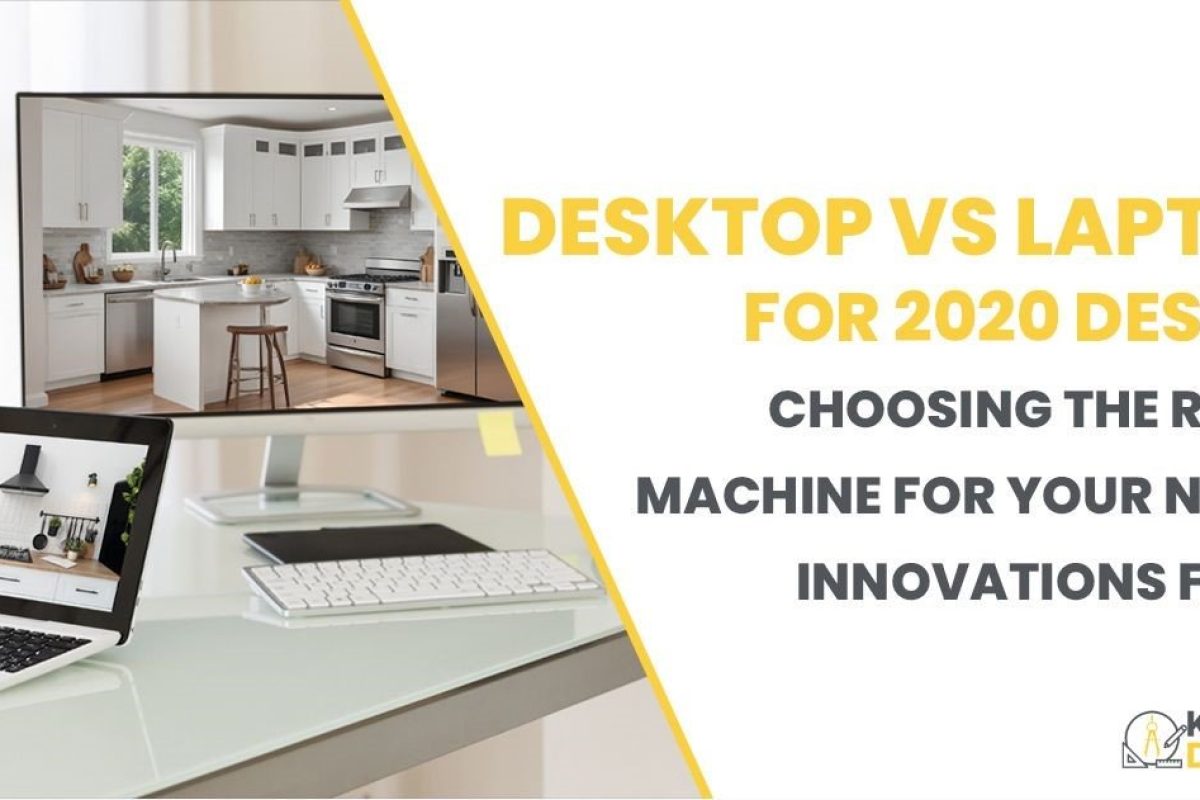
Whether you’re a seasoned professional or just starting out, the choice between a desktop and a laptop for 2020 Design can significantly impact your workflow and overall experience. 2020 Design software, with its powerful 3D rendering capabilities and extensive design tools, demands robust hardware. Let’s explore the strengths and weaknesses of desktops and laptops to help you make an informed decision.
Performance: Desktop vs. Laptop
Desktops: The Powerhouses
- Superior Performance: Desktops typically boast powerful processors, high-end graphics cards (GPUs), and ample memory (RAM). This translates to smooth handling of large 3D design files and faster rendering times, critical for complex kitchen and bath designs.
- Better Cooling: With more internal space, desktops incorporate superior cooling solutions, reducing the risk of overheating and performance throttling during intensive tasks like rendering and simulations.
- Upgradeability: As technology evolves, desktops allow you to easily upgrade individual components, like the CPU, GPU, or RAM, extending the lifespan of your machine and keeping your workflow up-to-date.
Laptops: The Portable Powerhouses
- Decent Performance: High-end laptops can handle 3D design projects with relative ease. However, their performance often lags behind similarly priced desktops, especially during demanding tasks like rendering large files.
- Thermal Constraints: Due to their compact size, laptops have less room for cooling mechanisms. This can lead to overheating during extended rendering sessions, which can throttle performance and impact productivity.
- Limited Upgradeability: While you can upgrade components like RAM and storage in some laptops, their overall upgradeability is limited compared to desktops.
Portability: When Mobility Matters
Desktops: The Stationary Workhorse
- Stationary Use: Desktops aren’t designed for portability. They’re ideal for a dedicated workspace where you can set up a comfortable and ergonomic environment.
- Space Requirement: Desktops, with their tower, monitor, and peripherals, take up more space than laptops. Ensure you have ample room in your workspace to accommodate them.
Laptops: The On-the-Go Companion
- Highly Portable: Laptops offer the ultimate in flexibility, allowing you to work from anywhere – client meetings, coffee shops, or even on-site.
- All-in-One: The integrated screen, keyboard, and battery eliminate the need for additional peripherals, making them ideal for travel and presentations.
Cost: Balancing Budget & Performance
Desktops: The Budget-Friendly Option
- Cost-Effective Performance: You generally get more performance per dollar with a desktop computer. This means you can access powerful hardware without overspending.
- Long-Term Savings: Thanks to their upgradeability, desktops can last longer, saving you money in the long run compared to replacing an entire laptop.
Laptops: The Premium Choice
- Higher Initial Cost: High-performance laptops with specifications suitable for 3D models design tend to be pricier than desktops with similar capabilities.
- Additional Accessories: You might need to invest in external accessories like cooling pads or docking stations to improve performance and connectivity, adding to the overall cost.
Making the Right Choice
For 3D 2020 Design projects, desktops generally offer superior performance, better cooling, and upgradeability, making them the preferred choice for professionals who prioritize power and efficiency. However, if portability and flexibility are more important, a high-end laptop can still be a viable option, especially for designers on the move.
Conclusion
Choosing the right machine for 2020 Design is a personal decision that depends on your priorities and workflow. Consider factors like performance, portability, cost, and upgradeability to determine whether a desktop or laptop is the best fit for you.
Remember, regardless of your choice, investing in a machine with adequate hardware will ensure you can harness the full potential of 2020 Design and bring your creative visions to life.
Contact us 2020 Kitchen Design for expert design assistance and take your projects to the next level.
Let me know if you have any further questions or would like to explore specific hardware recommendations for your 2020 Design projects!