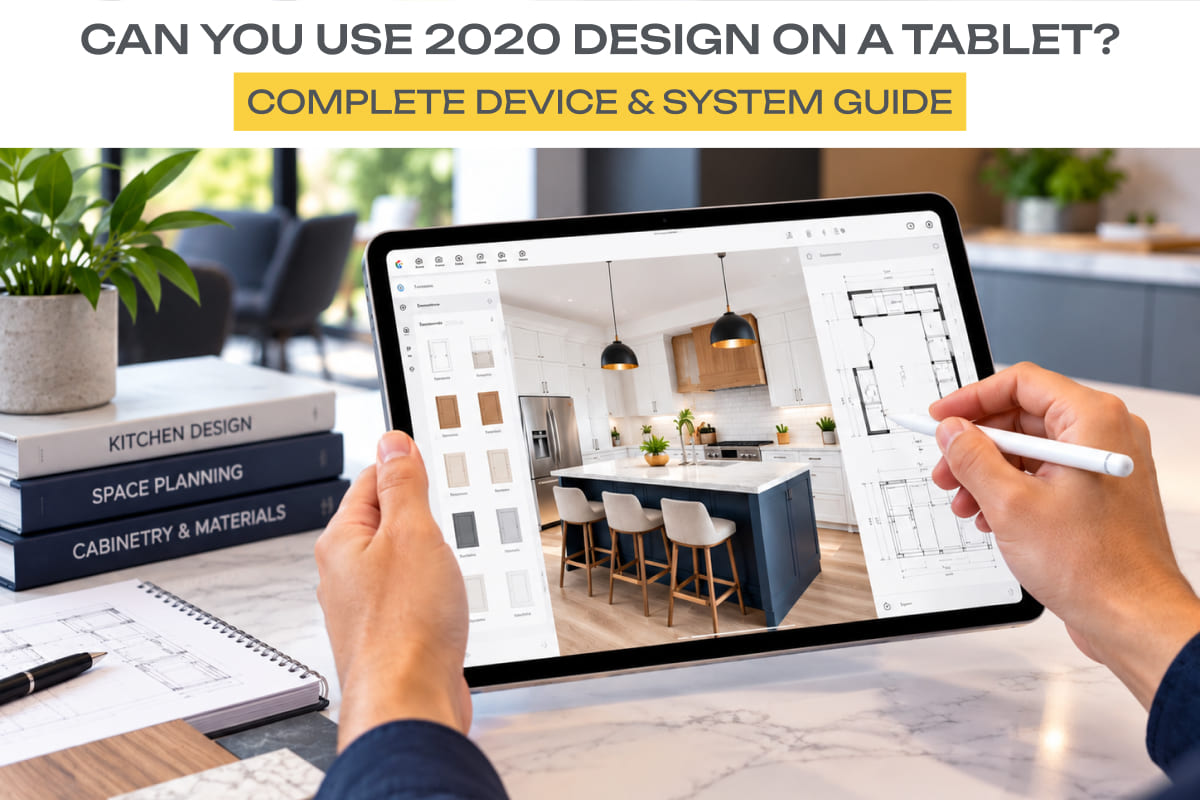
The kitchen design industry is changing rapidly, and technology is playing a major role in how homeowners plan remodels and how professionals deliver their work. One of the biggest updates in the design world recently is the transition of 2020 Design—the industry’s most widely used kitchen design software—to its new name: DesignFLEX, now branded under its parent company Cyncly.
At first glance, this may look like a simple name change, but the shift represents something much bigger. It reflects an industry that’s moving toward flexibility, cloud-connected tools, faster visualization, and more collaborative workflows. If you’re a homeowner planning a remodel, a dealer trying to close more cabinet sales, or a designer offering virtual kitchen design services, this change affects you directly.
This article breaks down what the DesignFLEX rebrand truly means, what’s new, why Cyncly made the change, and how it improves the overall experience of kitchen design in 2026.
Why 2020 Design Rebranded to DesignFLEX
According to Cyncly’s official announcement (Source: https://www.cyncly.com/), the goal of the rebrand is to support a new era of “connected and flexible design technology.” The new name, DesignFLEX, is meant to represent a platform that adapts to modern workflows and meets the expectations of today’s designers and consumers. Cyncly’s future roadmap is focused on three major directions:
- A unified ecosystem for design, pricing, quoting, and manufacturing
- A faster, more cloud-supported platform
- Greater flexibility to integrate AI, automation, and collaboration tools
This isn’t just about updating a logo—it’s about modernizing the entire digital design pipeline. The shift also aligns with insights from the NKBA Kitchen Trends Report 2025 which shows a strong rise in virtual design, cloud-based workflows, and remote client collaboration.
What’s Actually New in DesignFLEX?
If you’ve used 2020 Design before, you’ll notice that DesignFLEX still feels familiar—but smoother, faster, and better integrated.
A Modern Interface That Cuts Design Time
The updated interface reduces unnecessary clicks and makes it easier to jump between views, measurements, and catalogs. Designers spend less time navigating and more time creating.
Faster Rendering With Improved Visual Quality
One of the biggest improvements is rendering performance. With cloud-enhanced support, DesignFLEX can now generate photorealistic images much faster while offering more realistic shadows, materials, and depth. This is a major upgrade for designers who deliver 3D visuals to clients.
More Accurate, Cloud-Synced Catalogs
Manufacturers can now update pricing, SKUs, styles, and specifications via cloud sync, ensuring designers are always working with current products. This avoids costly mistakes and outdated quotes.
Better Collaboration Features
DesignFLEX makes sharing layouts and visuals with customers much easier. Clients can review plans through simplified preview links without downloading heavy files.
Improved Compatibility With Modern Laptops
The platform has been optimized for newer GPUs, making it more stable and smoother on laptops equipped with RTX graphics, AMD processors, or modern SSDs.These improvements are subtle individually but collectively create a more efficient design process.
How the Rebrand Affects Homeowners and Clients
Most homeowners may still search the old terms like “2020 kitchen design” or “2020 renderings,” but the software powering those designs is now updated, faster, and more accurate. The benefit for clients comes in three main areas:- Better Accuracy: Smarter layout tools reduce measurement errors and improve cabinet alignment.
- Better Visuals: The new rendering engine helps homeowners “feel” the space before committing to a remodel.
- Better Turnaround Time: Virtual design teams, including ours, can complete projects much faster because the software performs better across the board.
Why Experienced Designers Still Matter (Even With Better Software)
Some believe that as software gets smarter, the need for professional designers decreases. But advanced tools do not replace design expertise. Software cannot decide:
- where traffic flow should be maximized
- how cabinet lines align with appliance zones
- what materials work best for lifestyle and budget
- how to avoid layout mistakes that cost thousands
- which lighting approach works for a space
- how to mix colors, textures, and finishes effectively
DesignFLEX helps designers work faster, but real creativity, technical accuracy, and planning still require a trained professional. That’s why homeowners continue hiring virtual kitchen design services to avoid costly mistakes and get expert guidance.
How Our Virtual Design Team Uses DesignFLEX to Deliver Better Results
At 2020KitchenDesign.com, we rely on advanced design software—including the new DesignFLEX—to provide fast, precise, and professional layouts for clients across the U.S.
Here’s how the rebrand strengthens our service:
Faster Project Delivery
Thanks to enhanced rendering and catalog sync, we can complete designs in 1–3 days.
Higher Accuracy
Up-to-date product catalogs allow us to use correct cabinet dimensions, pricing, and specifications.
More Realistic 3D Visuals:
Homeowners receive clearer, more photorealistic views of their future kitchen.
Smooth Collaboration
Sharing revisions is easier, especially for remote clients.
Support for Dealers and Manufacturers
We can design using manufacturer catalogs such as Fabuwood, J&K, Waypoint, and other brands—with fewer errors and better layout options.
This rebrand enhances both speed and quality, allowing us to offer affordable, highly accurate virtual design services without requiring clients to purchase or learn any software.
How DesignFLEX Fits Into the Future of the Industry
The kitchen design world is shifting toward cloud technology, remote collaboration, AI-supported layouts, and real-time visualization. According to Forbes Home Improvement Tech Trends (Source: https://www.forbes.com/home-improvement), the next 5 years will see major growth in:
- AI-driven room planning
- Augmented reality kitchen previews
- Virtual showroom experiences
- Connected catalog platforms
- Instant price-to-design syncing
DesignFLEX positions itself perfectly for these trends. It supports the growing demand for virtual design and accommodates more digital workflows between designers, homeowners, and manufacturers.
Conclusion: A Rebrand That Benefits Everyone
The transition from 2020 Design to DesignFLEX is a forward-thinking step for the kitchen and bath design industry. It modernizes the software designers rely on, improves efficiency for virtual design providers, and helps homeowners receive faster, smarter, and more accurate layouts.
Whether you’re a contractor, cabinet dealer, manufacturer, or homeowner:
DesignFLEX delivers more accurate planning, faster visuals, and a smoother overall experience.
And if you want a professional to bring your kitchen vision to life using this updated platform, our team at 2020 Kitchen Design is here to help.
We specialize in creating beautiful, functional 3D kitchen layouts using the latest DesignFLEX tools—no software purchase or training needed.
FAQ
Cyncly rebranded 2020 Design to DesignFLEX to reflect a more flexible, modern, and cloud-connected platform. The new name represents faster workflows, improved collaboration, and better integration with catalog, pricing, and manufacturing tools. The change also aligns with industry trends toward virtual design and real-time visualization.
DesignFLEX offers a more updated interface, faster rendering, better cloud syncing, and improved catalog accuracy. The core tool is still the same, but it’s now more efficient, easier to use, and better suited for today’s remote and virtual design workflows.
No, homeowners don’t need the software at all. Professionals and virtual kitchen designers use DesignFLEX on behalf of clients. Homeowners simply receive the finished layout, 3D renderings, and measurement plans—without needing software, training, or subscriptions.
Yes. The rebrand improves performance and accuracy, which helps designers deliver projects faster. Cloud-based updates, improved rendering, and better catalog support all make the process smoother for designers working remotely or across multiple locations.
Yes, existing 2020 Design files remain compatible. Designers can continue working on older projects without starting over. The transition is designed to be seamless.
Absolutely. Real-time catalog syncing helps avoid outdated pricing or discontinued items. Faster visuals and improved layout accuracy also help dealers close more sales with clearer, more realistic presentations.
The name has changed, but the software remains active and supported. Users simply work under the new DesignFLEX branding. The core features continue to grow and evolve under Cyncly’s ecosystem.